
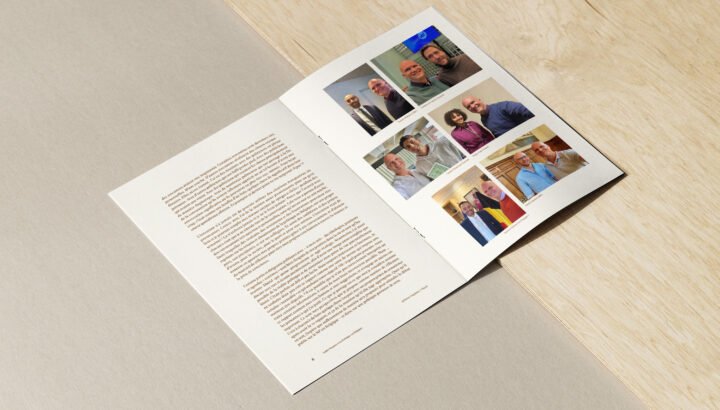
Noble Purpose & politics in Belgium
How much Noble Purpose is there in politics in Belgium? That was the research question that led to 100 interviews of the top of Belgian politics and society. The author, Olivier Onghena-’t […]

How can one cargoship impact the global economy? Where should we put water on the list of global priorities? How should organizations reward their employees?
The Ever Given that got stuck in the Suez Canal proves that one single ship can impact the global economy. 10-12% of world trade passes through the Suez Canal, good for 3 to 8 billion USD per day and 700.000 USD in toll per ship for the Egyptian government. One ship, massive impacts.
This shows once again how fragile our system is. Food, oil and raw materials all go through this literal bottleneck. It doesn’t help that ships have gotten bigger and bigger, so even if something goes wrong with only one of them, the impact is huge. So why do we continue to take these risks, when a more local production would have all kinds of positive impacts on the local economy, local employment and the reduction of global greenhouse emissions?
Monday 22 March was World Water Day. Isn’t it strange that we need a special day to draw attention to the importance of water?
And yet, the question remains: what priority do we give to water? Where do we put it on the list? Before or after protecting the health of citizens? Before or after social injustice? Before or after stopping world famine? Actually, all of these are interconnected. Between 1980 and 2015 on average, every year, more people die because of unclean water, than through disasters or conflict. And we’re still putting more and more damaging substances into our water, driving the need for more and more powerful water sanitation systems.
How can we individually, but also economically, reduce the pollution of water? How can handle water in a more respectful way? How can we give everyone worldwide access to clean — preferably free — water? And most importantly, how can we develop a system where the ones paying for the cleanup, are the ones that caused the pollution?
When we see how much effort many employees have put into their work in these difficult and stressful times, the question of rewarding and thanking people for this effort is not one of ‘if’, but of ‘what’. What an employer does for their employees, tells you a lot about the place their employees have in the value chain. Some organizations, like Sofina in Belgium, give extra vacation days. Other gifts we’ve seen are psychological support and counselling, free travel, appropriate protection or a thank-you email. Some organizations, so far, have given nothing at all.
It’s clear that not every organization can go as far as Sofina does, simply because they do not have the means to do so. Especially when they are on the verge of bankruptcy themselves. Even so, the people in these places still deserve a token of appreciation. It shows the employee that their relationship with the organization is not simply a transactional one, but that they are striving to make it a sustainable one.
How much Noble Purpose is there in politics in Belgium? That was the research question that led to 100 interviews of the top of Belgian politics and society. The author, Olivier Onghena-’t […]
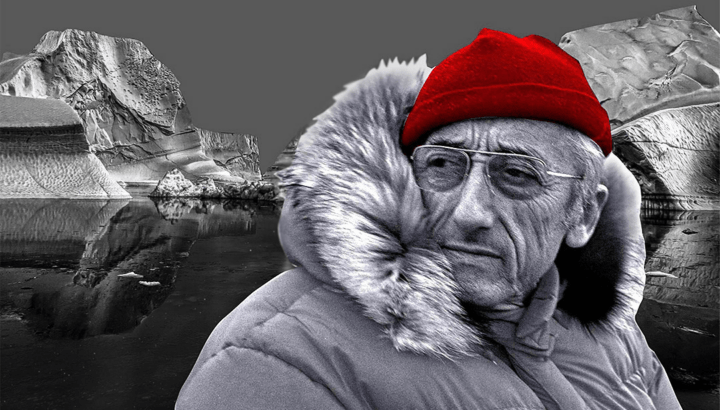
“The sea, once it casts its spell, holds one in its net of wonder forever.” Jacques Cousteau In an era when technology was beginning to shrink it, Jacques Cousteau expanded the world. […]

“Born in 1927 in Nice, France, she was just 16 years old when the Nazis stormed into her life, tearing her family from their home and dragging them into the dark abyss […]